Print this page
Rebuttal to : Elias Nassief: A role model in local industry
By Gary Esprit
May 20, 2012 7:30 A.M.
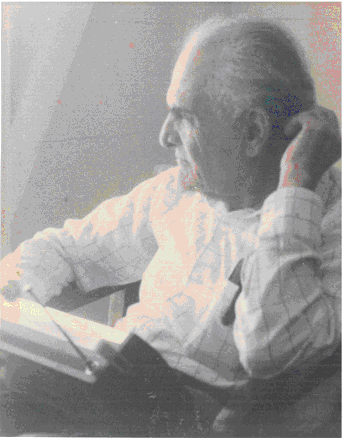
Elias Nassief. |
Mahaut, Dominica (TDN) -- I have not read Andre’s book but from Gabriel Christian's summary it is evident that the book is an effort to burnish the image and legacy of a man who is not without critics who point to his vast fortune accumulated over a relatively short period of time and wonder whether his business practices were “enlightened” and whether in fact he profited obscenely from the rampant poverty and illiteracy that were widespread in the era he rose to economic power.
I hail from the village of Mahaut where I have heard cries of exploitation from some of his workers at Belfast estate, people who spent a lifetime toiling in his sugar cane mill and sugar cane plantation in Belfast and Geneva that preceded Dominica Coconut products and ended their life in abject poverty without the benefit of a little pension to keep body and soul together in the sunset of their lives.
Contrast this with the fate of workers at DCP where the mainstay of the work force received shares in the emerging enterprise that allowed them to quickly move up the socio economic ladder into the ranks of a growing middle class.
Indeed Philip, his son, was much more progressive and demonstrated a more enlightened approach to management than his father before him. Indeed Philip demonstrated a more modern approach to worker relations (if you overlook his temper) and their economic well being.
This could be attributed to the difference e in economic mores and values of the different eras but the contrast could not have been more vivid. Where the son was focused on enabling his workers to participate in wealth creation, the father seemed not to have paid a similar level of attention, but rather went on to accumulate wealth which stood in stark contrast to the economic fate of those who made his wealth possible.
The truth remains that workers at DCP were light years ahead of those who toiled in the enterprises that Elias Nassief ran. Whether this was because of his inherent goodness or his efforts to practice a more modern and enlightened management strategy, we will never know. But the results speak for themselves.
History is not complete unless all sides of a story are told. What I see from your summary of Andre’s work is a story that lacks balance and a serious effort to peel back the onion and lay bare the raw facts, as unpleasant as they may seem. Truth be told, the worst thing we could do is to distort history, and to some degree, the incomplete history about Elias Nassief told by Andre manages to do just that.
Did Andre, for instance, interview the descendants of some sugar cane growers in the Resource Estate valley, the legion of farmers who provided the raw materials for Nassief’s sugar mill? If he did, he would have discovered a wellspring of discontent and perhaps even accounts of financial abuse in the manner in which their sugar cane was priced by the Belfast sugar cane mill.
The story was one of lack transparency because farmers had no way to verify the accuracy of the pricing mechanism that was a function not only of the volume of cane juice they supplied, but also the sucrose content which was computed by a formula which only Nassief and his administrators knew and understood. There was no regulatory oversight or auditors to ensure a fair transaction, in their minds.
But on balance, I will be the first to say that Dominica benefited handsomely from the infusion of Lebanese blood which Elias Nassief brought to the island. I am especially impressed by his philanthropy including the wok of his foundation which I hope has set a template for other successful businessmen in the country even if some skeptics will acknowledge that he could have done more to pay his workers a better living wage and compensate sugar cane producers who fed his mill a better and more transparent price for their crop.
|